Three AI techniques an MIT researcher uses to improve group decision-making


Last week I talked with Mark Klein, who researches collective intelligence at MIT and teaches it as a professor at the School of Collective Intelligence at Morocco's UM6P. I went in knowing almost nothing about the field, and came out with three techniques. We were talking about when you put AI into a group decision, are you making it better, or just making a bad one faster?
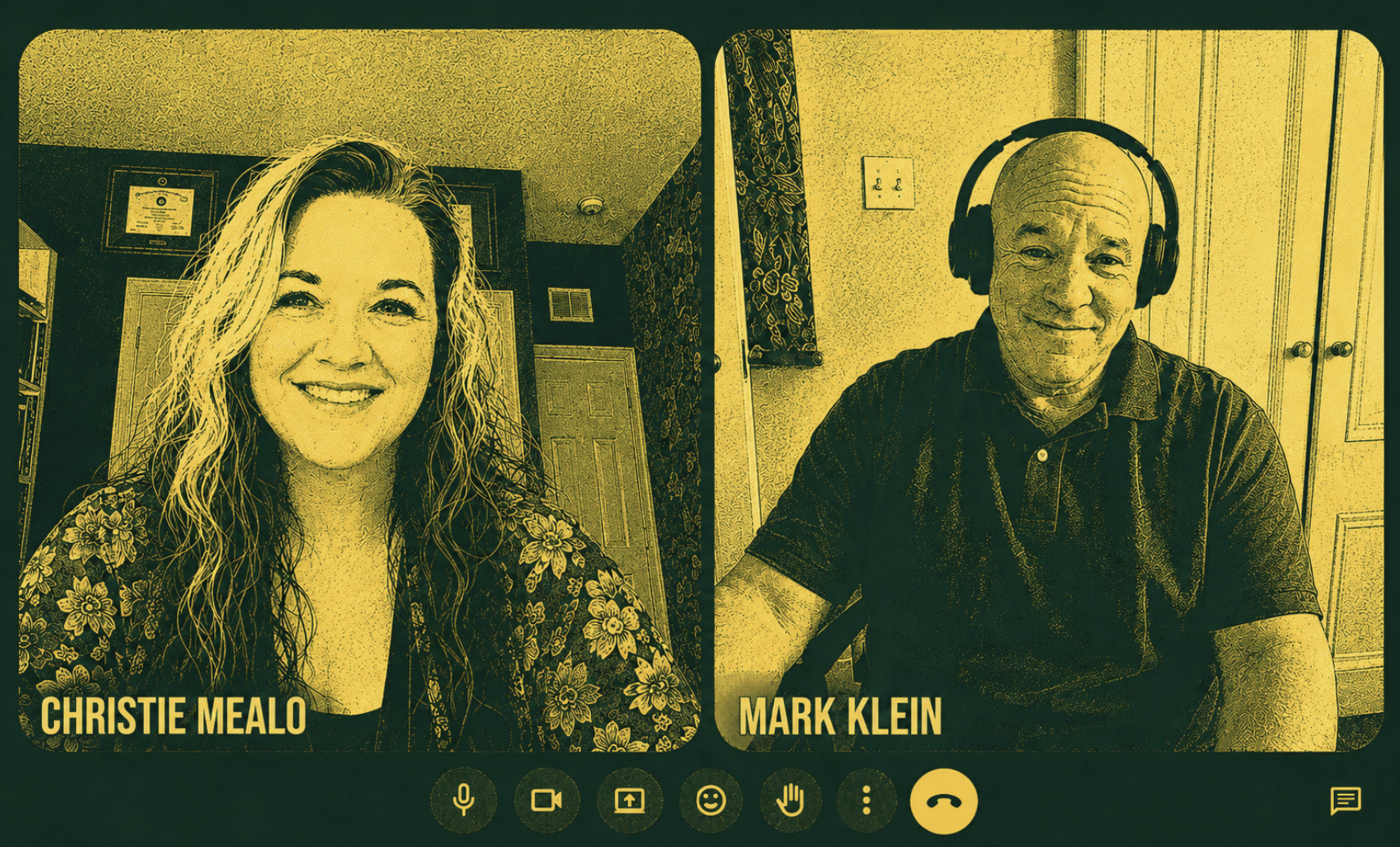
Mark’s definition of collective intelligence is wider than I expected. It is the problem-solving advantage that shows up when agents talk to each other instead of working in isolation. Looked at that way, almost all intelligence is collective, because brains are neurons interacting, science is scientists interacting, and even a slime mold is cells interacting. None of them can do alone what they can do together.
The catch is that groups also fail together, and they fail in a specific way. Mark describes most of these failures as emergent dysfunctions: individual people doing the sensible thing for themselves produce a result none of them wanted. Groupthink is the familiar one. In a room with real power dynamics, people self-censor, agree with the loudest voice, and hold back the critique that would have changed the call, because in the moment it is safer to look after yourself. Everyone behaves rationally and the group lands somewhere worse than any one person would have chosen. When I was at McKinsey, the counterweight had a name, the obligation to dissent, a cultural expectation that the most junior person at the table could push back on the most senior. That is a process fix for a process problem, which is exactly how Mark frames the whole field. That is rarely the people. It is the way we have set them up to decide.
Which is where AI comes in, and where it goes wrong. If you bolt a model onto a decision process that is already broken, you mostly accelerate the failure you already had. Mark’s approach is the reverse. First map the failure modes, then identify or invent the better practice, then ask which parts of that practice a model can actually do well. Some parts you offload, some you keep with humans who are paying attention.
Here are the three he walked me through, plus a bonus.
1. Analogical ideation: borrow a solution from a problem that looks nothing like yours
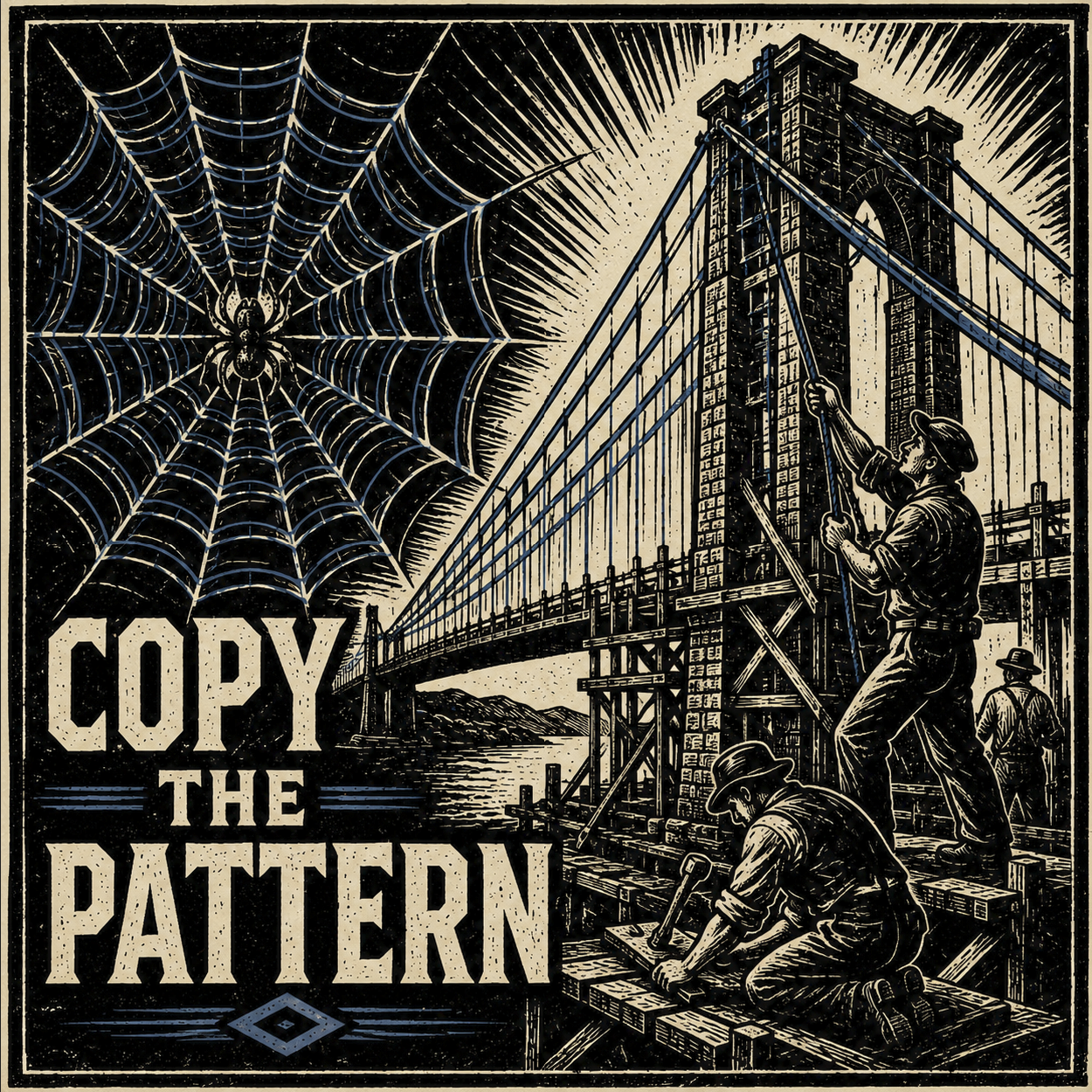
Take your problem, abstract it up a level, find a completely different problem with the same abstract shape, steal its solution, then map that back down. Mark’s example: Kyoto is overrun by tourists degrading cultural sites. Abstract that to “overuse is degrading a precious resource.” A different problem with the same shape is flu season overwhelming clinics, and one fix there is pop-up flu clinics scattered around a city for easy access. Map it back and you get pop-up tourist support clinics. The shape travels even when the domain does not.
The useful finding: LLMs are good at the two steps people struggle with, getting to a clean abstraction and finding the analogous domain, and they generate candidate solutions quickly. The trap is letting the model do the final step. If you ask it to map the inspiration back to your actual problem, you tend to get the obvious answers you would have gotten by asking directly. The value is handing a human the strange, out-of-domain inspiration and letting the human make the leap.
2. The problem-analysis tree: one prompt that widens what is worth trying
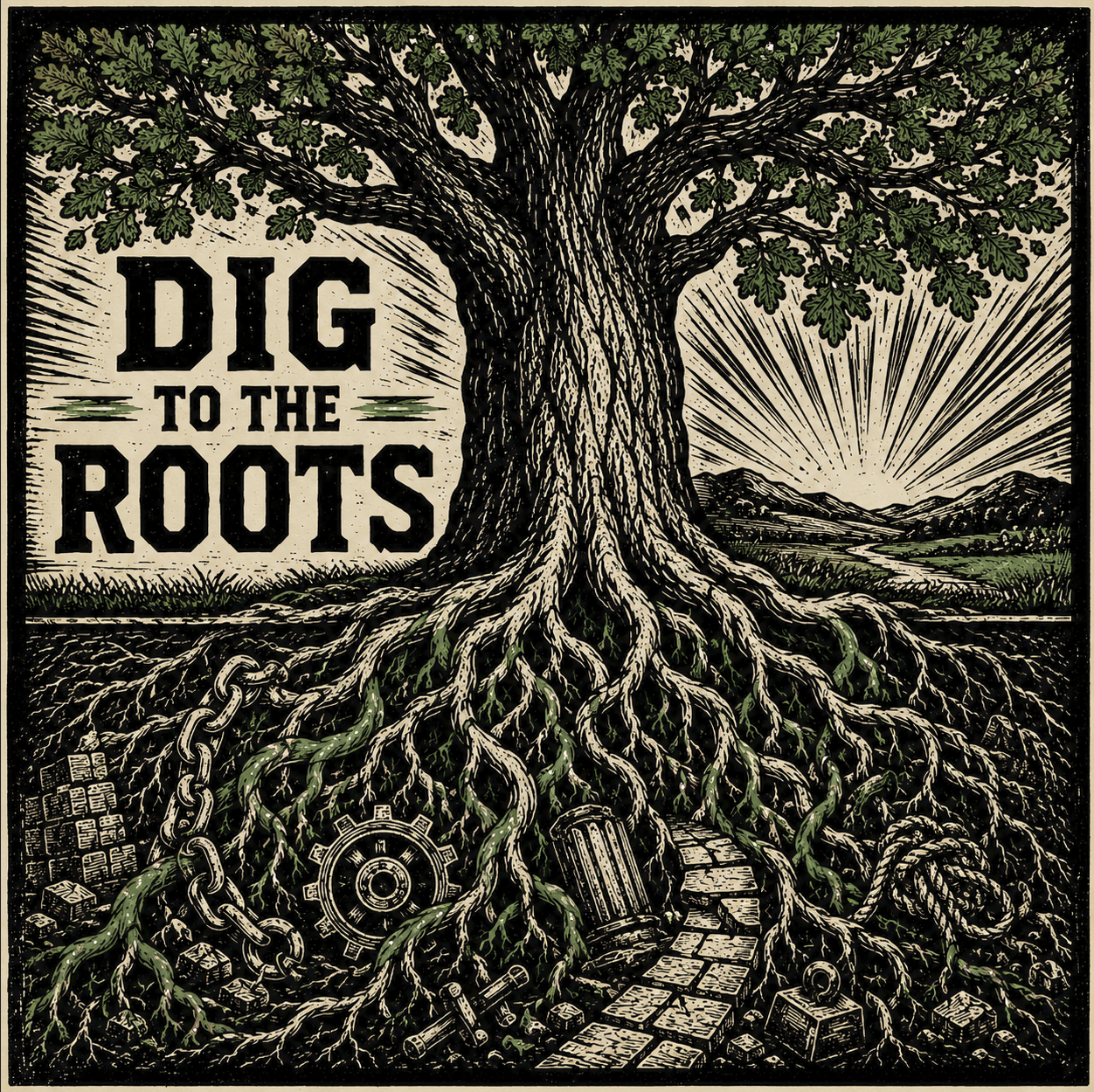
List the stakeholders in a problem, then for each one their goals, then the barriers to those goals, then the causes of those barriers. Every cause is a candidate place to intervene. You can do this by hand, but models carry a lot of knowledge about who the stakeholders are and what they care about, so Mark generates the whole tree with a single prompt and then scans it, yes, yes, no, yes, keeping what fits his case. Reacting to a list is far faster than building one from a blank page. In his own informal testing this produced something like a 50% increase in the diversity of solutions a group came up with. He is careful to call that preliminary rather than a published result, but it points to value in the right direction.
3. The argument advisor: stress-test your reasoning before you say it out loud
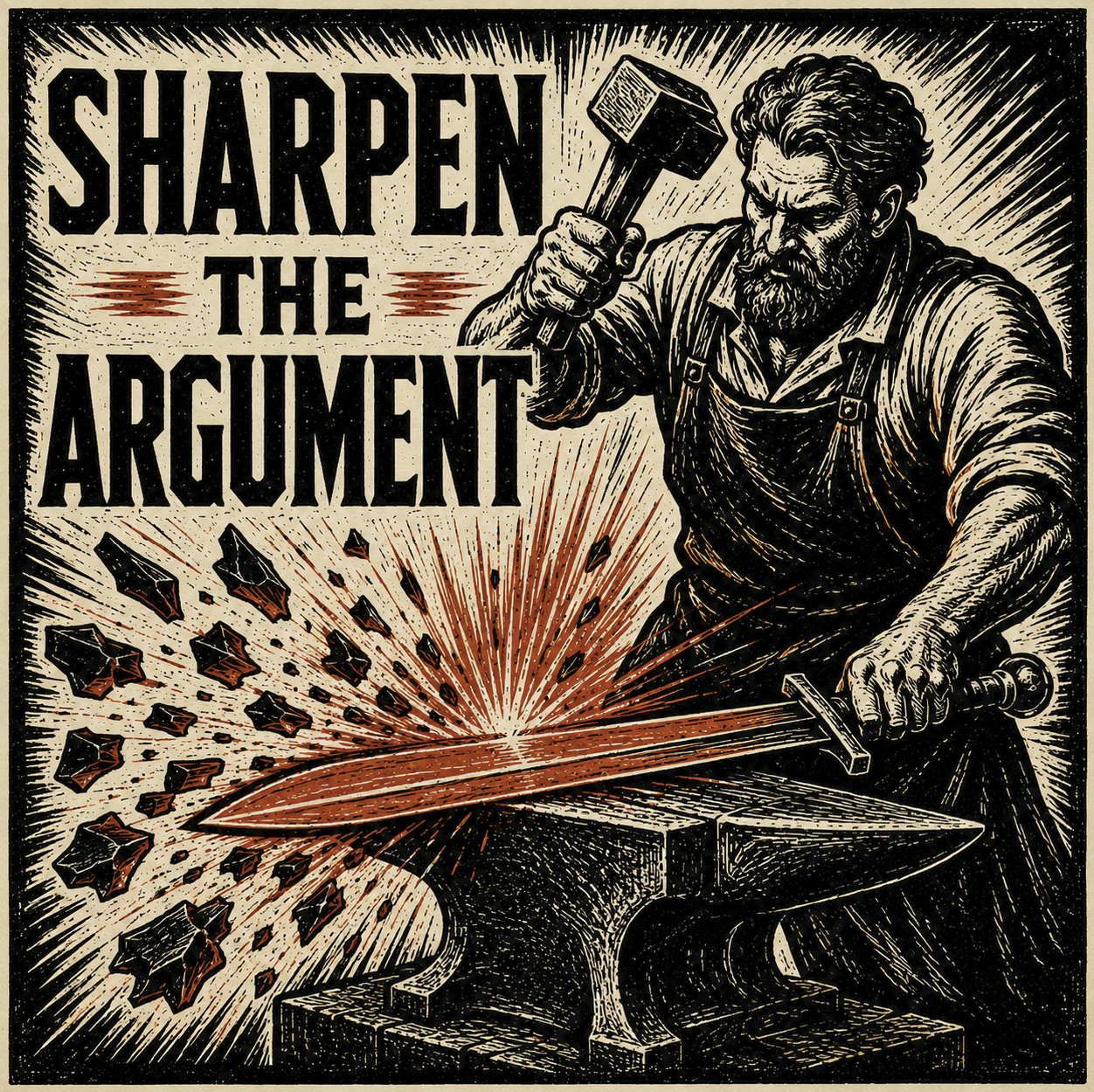
A single prompt does most of the work here. Give the model your idea and your reasoning, then ask whether the argument is strong, what it is missing, and what you should check so it is not quietly terrible. People put arguments into a room all the time without having pressure-tested them, and a model is fast at catching the gap you did not think of. This is the one I had running the same day.
Bonus: the bag of lemons
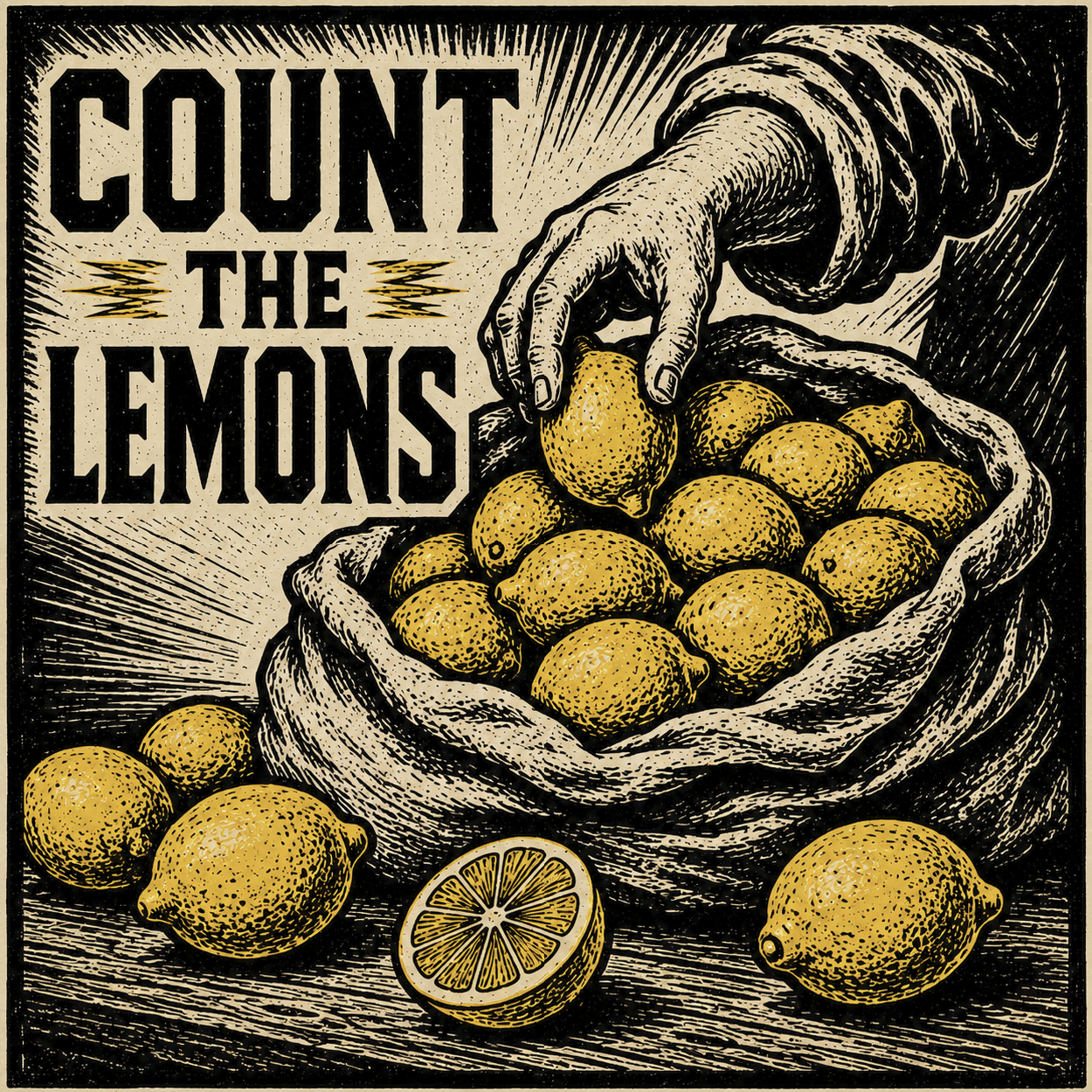
This one is for filtering ideas, not generating them. Once a group has produced a pile of ideas, the hard part is picking, and Mark’s counterintuitive move is to stop hunting for the best ideas and start eliminating the worst. Everyone assigns “lemons” to the ideas they think are bad, and the ideas with the fewest lemons rise. In his tests, groups filtering for the worst ideas were more accurate than groups rating ideas or picking favorites. The logic is clean. To call an idea good you have to confirm it is good on every dimension that matters, and you might not even know all the dimensions or be any good at judging some of them. To call an idea bad you only need one fatal flaw. Finding one definitive problem is simply easier than verifying total quality, so a crowd hunting flaws is more reliable than a crowd crowning winners.
Floor, ceiling, and what AI is actually for
Back to the question I opened with. Mark’s answer: AI raises the floor. It gets everyone fast access to a decent set of options and assessments, which is real. But if you stop at the floor, you land at averageish, not at what the best human process would have produced, and that is the genuine risk. Two things keep the ceiling high. Decide deliberately which parts of the work only attentive humans can do, and keep real incentives in place so people still push for the best answer rather than the easy one. His line: easier ways to dig a hole don’t doom us to digging bad holes, as long as we are still being asked to build the best one.
Ask a conventional model to help with an idea and it behaves like a friend who responds to your half-formed thought by handing you a hundred more ideas. What you actually want is someone who helps you develop your idea, mostly by asking sharp questions and figuring out what you are really trying to do. Models can ask good questions too. We have just trained ourselves to ask them for answers. In my own work I have started context-engineering Claude to push back, to play the adversary, to interrogate an argument before I commit to it, and the difference is real.
We are living in something like an age of ideas, where the blank canvas is no longer the constraint and there is always something to react to. The cost of that is a low-grade, reactive restlessness, a sense that you could build anything, so the discipline shifts from what can we build to what should we not. Collective intelligence is the unglamorous version of that discipline at the group level. It is not a tool you bolt on. It is the older work of fixing how a group thinks together, and AI earns its place when it serves that work instead of standing in for it.
What you should read
1. The Strongest Teams of AI Agents Will Be Built Using Different Models
Mark Purdy, Harvard Business Review, June 18, 2026
Purdy gathers the emerging evidence that diverse teams of agents outperform homogeneous ones, the agent-level version of this issue's argument about groups.
Highlights:
- Agent teams selected for diversity were 25% better at resolving software-engineering problems than agents working alone.
- Another study found two diverse agents can match or exceed the performance of sixteen identical ones.
2. Help Employees Get Better, Not Just Faster, with AI
David S. Duncan and Tyler Anderson, Harvard Business Review, June 15, 2026
As AI makes polished output cheap, the scarce skill becomes judgment, and the authors lay out how to use AI so people build it rather than lose it.
Highlights:
- The scarce skill is now knowing what to trust, question, and refine, not producing a draft.
- Most organizations train people to use AI tools, not to think critically with them.
- A four-step process builds judgment through reflection, evaluation, and deliberate learning.
3. Agentic AI: What Leaders Wish They Knew Sooner
MIT Sloan Management Review, June 11, 2026
A short video from the 2026 MIT Sloan CIO Symposium where the recurring lesson is managerial, not technical.
Highlights:
- George Westerman: agents are "not really ready for prime time" in most organizations, and the label is being put on things that are not that capable yet.
- The advice: automate where it makes sense, not where it is easy, and rebuild processes around the outcome you want.
- The shift that works is from humans at every step to humans at the right steps, with trust built up gradually.
4. How People Are Really Using AI in 2026
Marc Zao-Sanders, Harvard Business Review, June 1, 2026
The third annual "AI in the Wild" study, built from real use cases rather than corporate announcements, with a sharp new worry attached.
Highlights:
- The study drew on roughly 12,600 use cases pulled from nearly 50,000 records collected between March 2025 and February 2026.
- Therapy and emotional support is the single largest use case, up from 5% to 11% of the dataset.
- It names "thinkslop," the lazy thinking that creeps in when you fire off a prompt before working out what you are trying to do.
5. OpenAI Has New AI Models. Here's Why You Can't Use Them
Maxwell Zeff, WIRED, June 26, 2026
At the White House's request, OpenAI is holding back its next-generation GPT-5.6 models from the public, sharing them first only with customers the US government preapproves.
Highlights:
- The administration asked OpenAI to stagger the release two weeks after sending Anthropic an export-control directive that took its most advanced models offline, with some Anthropic employees still barred from using them.
- OpenAI says it doesn't want this kind of government access process to become the long-term default, calling it a short-term step toward broader availability in the coming weeks.
- The June executive order promised a "voluntary" 30-day pre-release sharing process and a carve-out against de facto licensing, but OpenAI executives say no such framework exists yet, leaving labs in an interim where cooperation doesn't look optional.
Who you should follow
Mark Klein (MIT Center for Collective Intelligence; creator of the Deliberatorium). The researcher behind this issue's main piece, worth following for AI-assisted group decision-making and crowd-scale deliberation.
Thomas Malone (founding director of the MIT Center for Collective Intelligence; author of Superminds). Coined much of the modern collective-intelligence vocabulary, and his through-line is that AI works best amplifying groups of people rather than replacing them.
Anita Williams Woolley (professor at Carnegie Mellon's Tepper School; lead author of the 2010 Science paper on the collective-intelligence factor). The empirical backbone of this field: she showed groups have a measurable "c-factor" driven by social sensitivity and equal speaking turns more than raw individual IQ, and now studies it in human-AI teams.
Andrew Ng (founder of DeepLearning.AI; co-founder of Coursera). The builder-educator, useful for upskilling teams and the current shift to agentic workflows.
What’s Moving in Philly

Four rooms worth being in around Philly over the next two weeks, from a hands-on Claude Code meetup to an after-work mixer.
- Claude Code Philly · July 4 · Turkish Brew. A Coffee & Code Philly meetup for people building with Claude Code, informal and hands-on.
- AI and ML for Business Use, two-day training · July 1 · Philadelphia. A structured intro to applying AI and machine learning in a business setting, pitched at teams rather than engineers.
- Tech and Business Networking: Elevating Your Potential · July 8 · Devil's Alley Bar and Grill. A straightforward after-work mixer for the Philly tech and business crowd.
(powered by Kynra)
Copyright 2026 - Christie Mealo